
Ever jumped in the pool, feeling ready to crush a good workout, only to find yourself gasping for air after just two laps? You’re not alone. I see this all the time at the pool. People pushing hard, working their arms like crazy, but barely making it across without stopping. They blame it on being out of shape. But here’s the thing: most of the time, it’s not about fitness. It’s about technique. Your body is working twice as hard because you’re fighting the water instead of moving through it. The good news? Once you fix a few key things, swimming suddenly feels easier. Way easier.
I used to struggle with this too. Seven years ago, when I first started swimming regularly, I’d be completely wrecked after 200 meters. I thought I just needed better cardio. So I pushed harder. Longer sessions. More laps. And I just got more tired. Then someone pointed out my breathing was all wrong. That one fix changed everything. Within a week, I was swimming three times longer without that desperate, out-of-breath feeling. Turns out, I wasn’t weak. I was just doing it wrong.

Your Breathing Timing Is Off
This is the big one. Most people hold their breath while swimming, then panic and gasp for air. That’s a recipe for exhaustion. When you hold your breath, carbon dioxide builds up in your blood. That’s what makes you feel desperate for air. The fix is simple but feels weird at first: exhale constantly while your face is in the water.
Here’s what worked for me. I started humming underwater. Sounds silly, but it forces you to let air out steadily. Then when you turn to breathe, you’re not trying to exhale and inhale at the same time. You just grab fresh air and go. Your breathing should feel rhythmic, not rushed.
Try breathing every three strokes instead of every two. It helps balance your stroke and gives you more time to exhale fully. Yeah, it feels awkward for the first few pool sessions. But once your body gets it, everything clicks.
You’re Fighting the Water, Not Gliding Through It
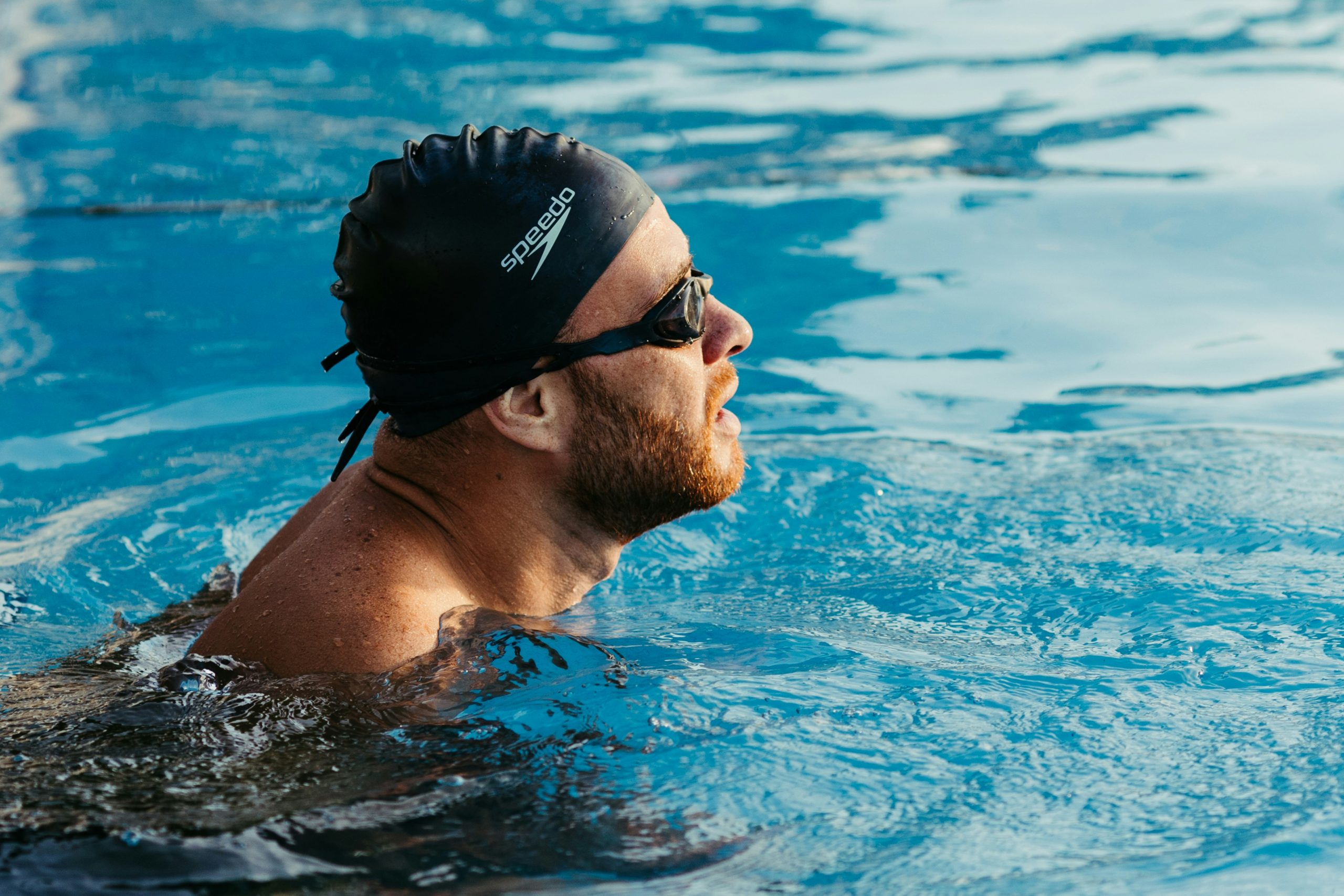
Watch someone who’s tired in the pool. Their body is almost vertical. They’re pulling themselves forward with brute force. That takes insane amounts of energy. Now watch a good swimmer. They’re nearly horizontal, like a torpedo. The difference in effort is massive.
Your body position matters more than you think. Keep your head neutral—not looking forward, but down at the bottom of the pool. That alone lifts your hips and legs. Suddenly you’re gliding instead of sinking. I remember the first time I got this right. I felt like I was swimming downhill. Same effort, way more speed.
Core engagement helps too. I’m not talking about doing crunches. Just keep your stomach slightly tight, like you’re about to laugh. That keeps your body straight and streamlined. Less drag means less exhaustion.
Your Arms Are Doing Too Much (or Not Enough)
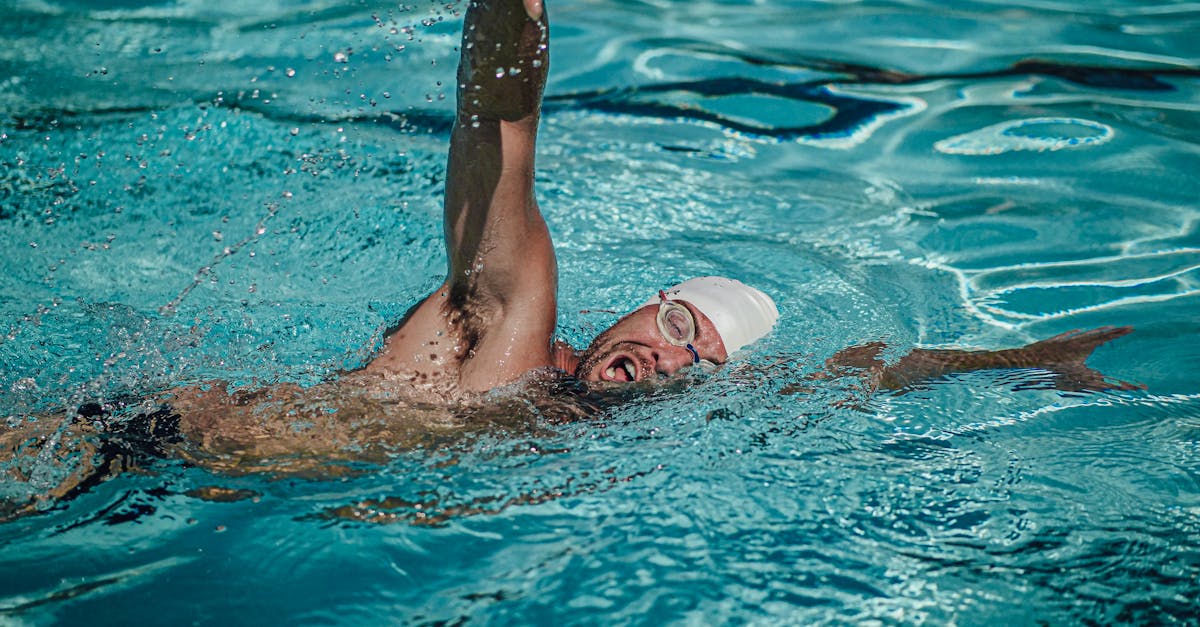
Here’s a mistake I made for years: pulling water with a straight arm. It looks powerful, but it’s incredibly inefficient. Your arm should have a slight bend at the elbow during the pull. Think of it like reaching over a barrel, not slapping the water.
And don’t rush your stroke. I used to windmill my arms as fast as possible, thinking speed meant power. Nope. A longer, more controlled stroke uses less energy and moves you farther. Each pull should go all the way back to your hip, not just to your chest.
One drill that helped me: swim with a closed fist. Sounds counterproductive, right? But it forces you to engage your forearm, not just your hand. After a few laps like that, swimming normally feels incredibly easy. You realize how much power your forearm actually has.
You’re Kicking Like You’re Running a Marathon
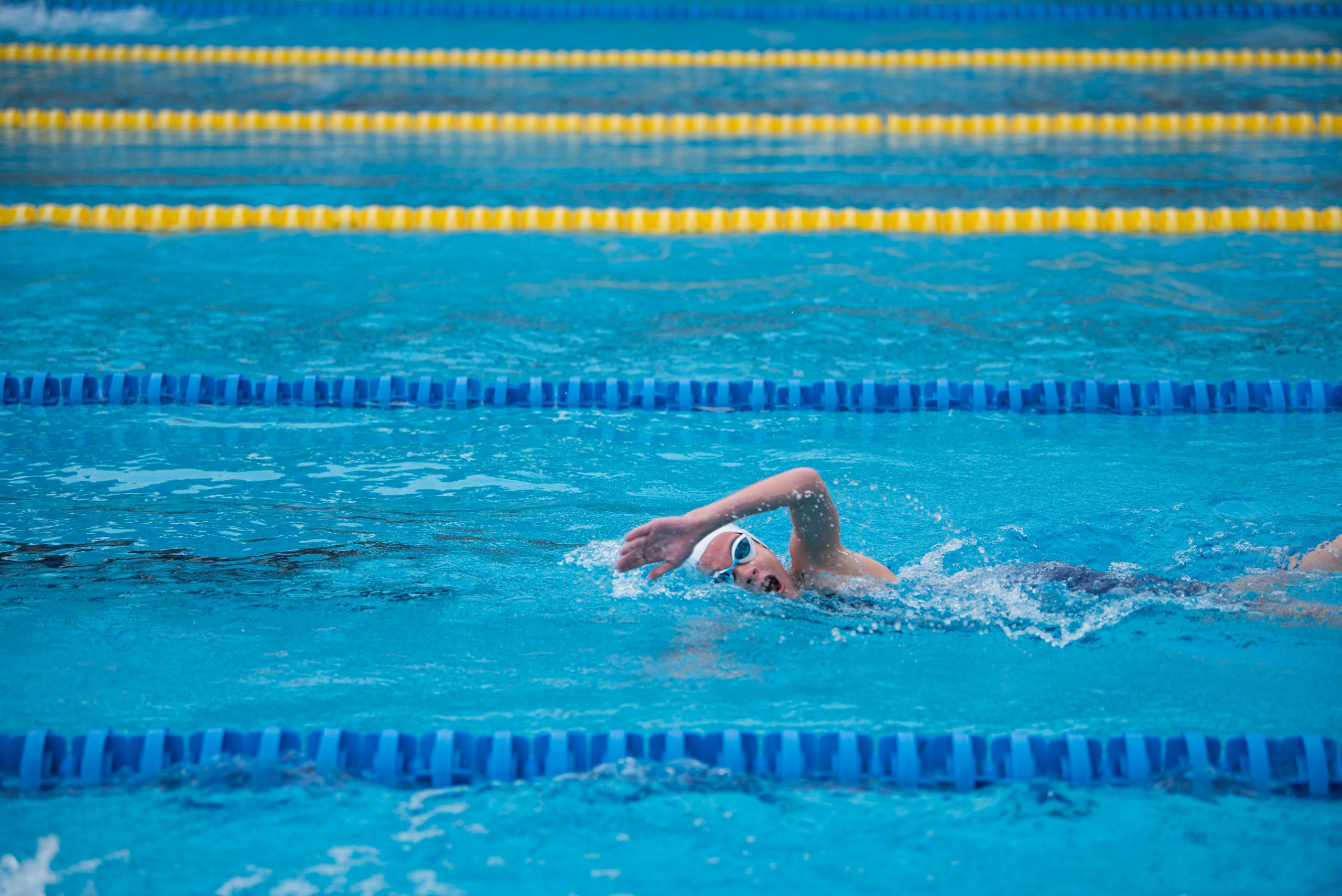
Legs are heavy. Kicking hard takes tons of energy. Unless you’re sprinting, your kick should be gentle and relaxed. It’s there for balance, not propulsion. I wasted so much energy with aggressive kicks before I figured this out.
Your kick should come from the hip, not the knee. Small, quick movements. Your ankles should be loose and floppy, not rigid. Think of your legs like a fish tail—fluid and effortless. When I relaxed my kick, my endurance doubled overnight.
Some people barely kick at all and still swim beautifully. That’s fine too. If your body position is good, your legs are just along for the ride.
If You Take Away Just One Thing
Start with these three fixes and you’ll notice a difference in your next swim:
- Exhale constantly underwater – Hum, blow bubbles, whatever works. Don’t hold your breath.
- Look down, not forward – Your head position controls your whole body. Eyes on the pool floor.
- Slow down your stroke – Longer, controlled pulls beat frantic windmilling every time.
- Relax your legs – Save your energy. Let your arms do the work.
So there you have it. Getting tired fast in the pool usually isn’t about fitness. It’s about technique. Fix your breathing, get your body flat, slow down your stroke, and ease up on the kicking. Those four things alone will transform how swimming feels. You’ll go farther with less effort. And honestly, swimming stops feeling like a fight and starts feeling like what it should be: smooth, meditative, and actually enjoyable. Give it a shot and see what happens.