
You’ve finished a great swim session. Feel amazing. Then later that evening, your ear starts throbbing. Maybe you notice water trapped inside that won’t come out no matter how much you tilt your head. Or worse—feels like someone’s jabbing an ice pick into your ear canal.
Swimmer’s ear is probably the most common complaint I hear from people who swim regularly. I’ve dealt with it myself more times than I’d like to admit. That aching, pressure, sometimes sharp pain that makes you want to skip your next swim. Most of it is preventable, though. Wish someone had told me that back in 2019 when I first started swimming seriously.
The first time I got swimmer’s ear, I ignored it for three days. Thought it would clear up on its own. By day four, I couldn’t touch my ear without wincing. Couldn’t sleep on my right side for almost a week. That’s when I learned that early prevention beats treatment. Every time.
What Actually Causes the Pain
Swimmer’s ear happens when bacteria or fungi grow in your ear canal. Water gets trapped after swimming, softens your ear canal skin, and breaks down that protective wax layer. Now bacteria has direct access to vulnerable skin.
Your ear canal is naturally acidic and waxy—both things keep bacteria in check. Pool chlorine, salt water, and prolonged moisture mess with this balance. Once the protective barrier is gone, infection sets in fast. Sometimes within 24 hours.
The pain comes from inflammation. Your ear canal swells, nerve endings get compressed in that tiny space. That’s why even touching your outer ear hurts when you have swimmer’s ear. The inflammation is trapped with nowhere to expand.
I can usually tell the difference between water stuck in my ear versus actual infection. Trapped water feels full and muffled. Swimmer’s ear progresses to real pain, especially when you press on the tragus—that little bump in front of your ear canal.

Five Prevention Methods That Actually Work
1. Dry Your Ears Immediately After Swimming
This sounds obvious but most people do it wrong. Tilting your head and hopping around helps gravity, sure. But you need to actually dry the ear canal, not just the outer ear.
What works for me: tilt head, let gravity work for 30 seconds each side. Then use the corner of a soft towel to gently absorb moisture from the outer ear canal. Don’t shove the towel into your ear—just press it against the opening and let it wick up the moisture.
Hairdryers work but use the lowest heat setting and keep it at arm’s length. I do this in winter when my ears take forever to dry naturally. Feels a bit ridiculous but it works.
Never use cotton swabs deep in your ear canal. They push wax deeper and can scratch the delicate skin. Scratches create entry points for bacteria. Learned this after a doctor showed me the irritation cotton swabs had caused in my ear. Not pretty.
2. Use Preventive Ear Drops
Acidifying drops restore your ear’s natural pH balance. The simplest version is a 50/50 mix of white vinegar and rubbing alcohol. Vinegar provides acidity. Alcohol helps water evaporate.
I keep a small dropper bottle in my swim bag—been doing this since my third ear infection back in 2022. Two drops in each ear after swimming, tilt head to let it run down, wait 30 seconds, tilt the other way to drain. Haven’t had an infection since. (Knock on wood.)
Commercial products like Swim-EAR work on the same principle. More convenient, more expensive. I use the homemade version for regular sessions, keep the commercial one in my bag for when I forget to refill.
Don’t use these drops if you already have an infection or perforated eardrum. They’re preventive, not treatment. If your ear already hurts, see a doctor.
3. Consider Earplugs or a Swim Cap
Earplugs keep most water out. Most, not all. I use them during long sessions or when swimming in lakes where water quality is questionable.
Honestly? I don’t love earplugs. They mess with my sense of balance and everything sounds weird. But dealing with swimmer’s ear hurts more than dealing with muffled hearing for an hour. Pick your discomfort.
If you do use them, spend the extra money on sport-specific ones. Speedo, TYR, whatever. Cheap foam earplugs fall out constantly during freestyle. I go through a pair every six months or so.
Swim caps help too—they hold earplugs in place and add an extra barrier. I notice less water in my ears when wearing both versus earplugs alone.
4. Avoid Swimming With Existing Ear Problems
This seems like common sense but I’ve ignored it plenty of times. Regretted it every time.
If you have a cold, your ears are already inflamed and producing extra moisture. Swimming makes it worse. If you’ve had recent ear infections, your ear canal skin is still healing. Give it at least a week after symptoms clear before getting back in the water.
I skip the pool when I have any ear pain, stuffiness, or drainage. Frustrating to miss workouts, but pushing through leads to worse infections that sideline you for weeks instead of days.
Pay attention to seasonal allergies too. When my allergies flare up, my ears get itchy and produce more wax. Not the time to add chlorinated water to the mix.
5. Keep Ears Clean But Not Too Clean
Ear wax has a bad reputation but it’s actually protective. It’s acidic and water-resistant. The problem is too much wax can trap water. Too little leaves you vulnerable to infection.
I clean my outer ears after showering but never dig into the ear canal. Your ears are self-cleaning—wax naturally migrates outward over time. Aggressive cleaning disrupts this.
If you produce excessive wax, see a doctor for proper removal. Don’t use ear candles, bobby pins, or cotton swabs jammed deep in your ear. I’ve seen people turn minor wax buildup into major infections by trying DIY removal.
For maintenance, I just use a damp washcloth on the outer ear. That’s it.
When to See a Doctor
Some situations need professional help. Don’t try to tough it out.
Ear pain that persists more than 24 hours needs attention. Especially if it’s getting worse. Drainage—particularly colored or bloody—is a red flag. So is fever alongside ear pain. These indicate infection has spread beyond the outer ear canal.
I went to urgent care once when ear pain woke me up at 3am. Turned out I had a serious infection that needed prescription drops. Waiting would’ve made it worse and possibly damaged my eardrum.
Also see a doctor if you’re getting swimmer’s ear frequently—like more than twice per season. Might be an underlying issue like chronic eczema in your ear canal or abnormal anatomy.
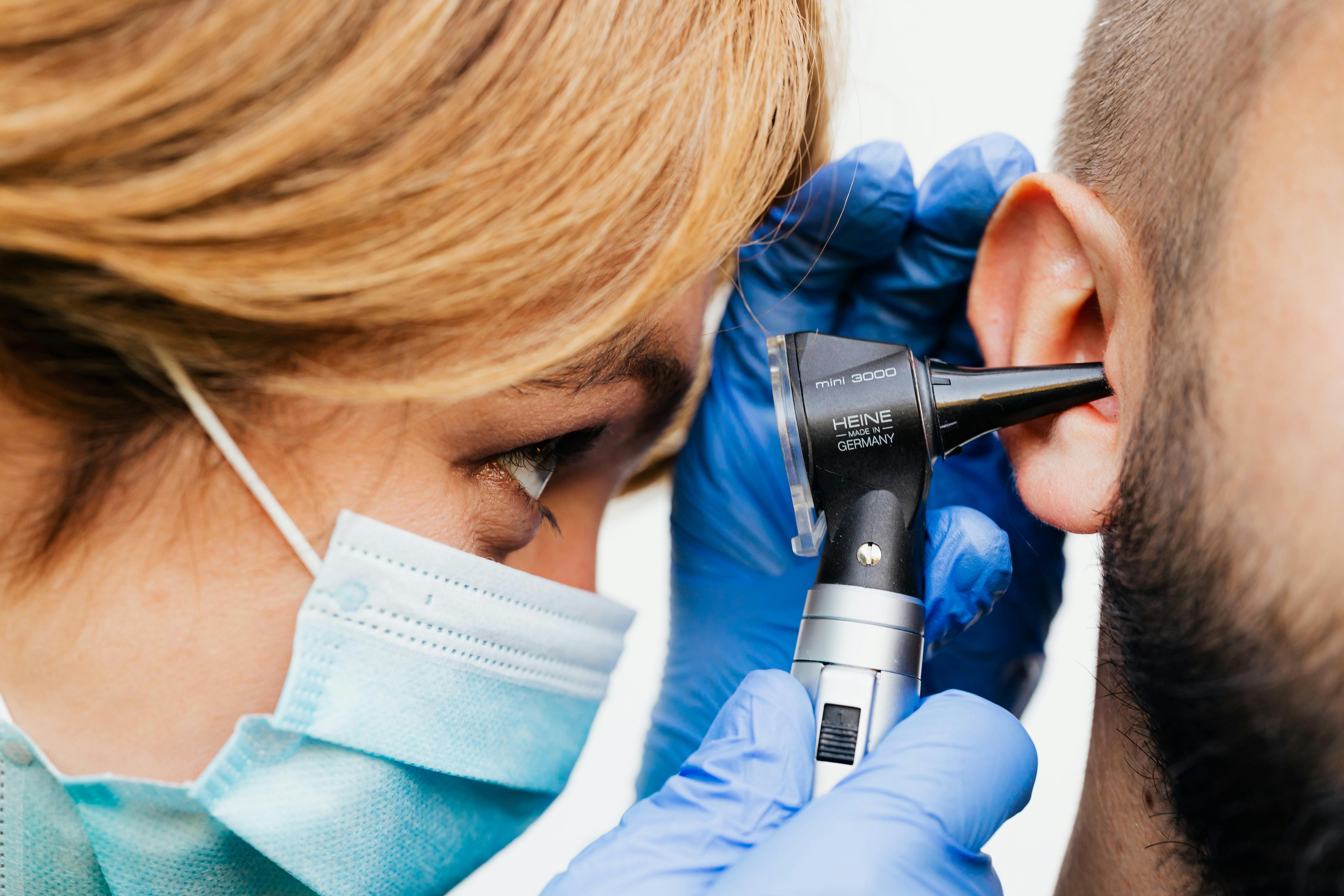
The Difference Between Trapped Water and Infection
Not every ear problem after swimming is an infection. Sometimes you just have water stuck behind wax buildup. Annoying but not dangerous.
Trapped water: muffled hearing, feeling of fullness, water sloshing sensation when you move your head. No pain unless it’s been trapped for days.
Swimmer’s ear: actual pain that worsens when you touch your ear, itching that progresses to pain, feeling plugged but with discomfort, possible drainage.
I give trapped water 24 hours to clear naturally. Try drying techniques and preventive drops. If it’s not improving or pain starts, that’s when I get concerned about infection.
Cold Water Makes It Worse
I wrote about what cold water does to your body before—ear issues are definitely part of that.
Cold water causes vasoconstriction, reducing blood flow to your ear tissue. Less blood flow means less immune system support. Your ears become more vulnerable to infection.
I notice I’m more prone to ear problems after winter swimming versus summer pools. Cold water plus wind plus wet ears—not a great combination.
In cold conditions, I’m extra careful about drying my ears immediately. I wear a neoprene swim cap that covers my ears. And I use preventive drops every time, not just when I remember.
The Main Thing
Consistent prevention beats trying to treat an infection. The routine takes maybe two minutes after each swim—dry ears properly, drops if needed, done.
Way better than dealing with sharp pain and lost swim time from an actual infection.
Honestly, if I could go back and tell myself one thing when I started swimming seven years ago, it would be this: take care of your ears. They’re easier to protect than to fix.
Questions about swimming or want me to cover something specific? Check out my comparison of swimming versus freediving if you’re deciding between the two.