
Three minutes underwater. Chest contracting. Mind throwing every excuse at you to just breathe already. That’s what a real breath hold feels like—not the “I’m trying this for fun in the bathtub” kind.
I hit my first three-minute breath hold 6 months into freediving. Before that, breaking two minutes felt impossible. The difference between 90 seconds and 180 seconds isn’t just time. It’s a completely different experience in what your body does and how your mind handles it.
My first attempt at three minutes was rough. Thought I’d trained enough. CO2 tables three times a week. Mental prep. The works. But the intensity caught me off guard. My body went through phases I’d never experienced at shorter holds. There’s a reason most freediving courses cap beginners at two minutes.
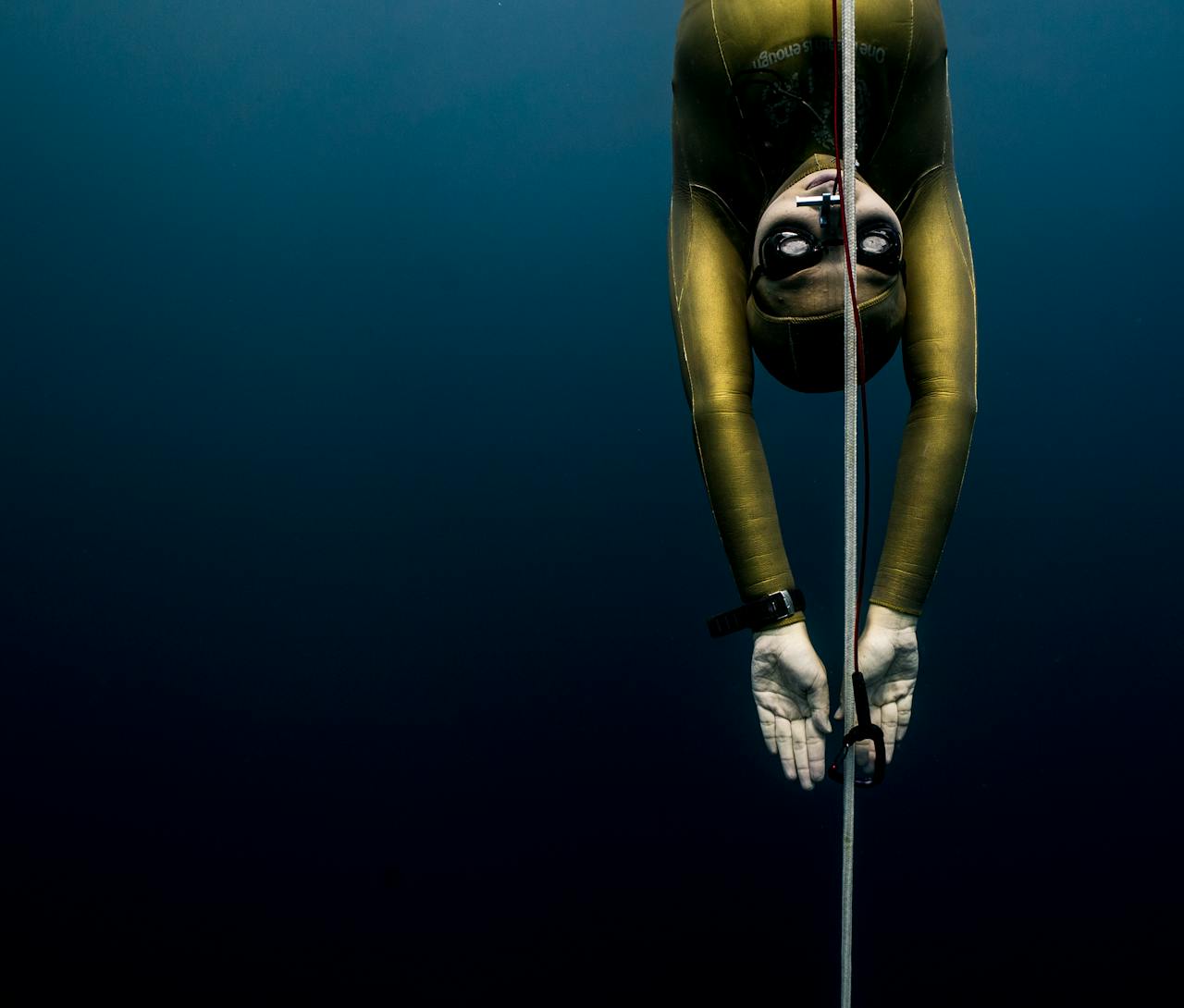
The First Minute: Your Body Pretends Everything’s Fine
The opening 60 seconds feel almost easy if you’ve done any breath-hold training. Your oxygen levels are still high. CO2 hasn’t built up enough to trigger strong urges. Your heart rate drops a bit thanks to the mammalian dive reflex.
I use this time to get comfortable and find my mental zone. Some people count. Others visualize. I focus on keeping my body completely still because any movement burns oxygen. Even small fidgets add up over three minutes.
The dive reflex kicks in automatically when you hold your breath. Your body redirects blood from your limbs to your core organs. Heart rate slows down. It’s the same response that lets seals dive deep. Feels weird the first few times, but you get used to the sensation of your fingers going a bit numb.
Minutes One to Two: Welcome to Discomfort
This is where most people tap out. Around 90 seconds, your diaphragm starts contracting. First one feels like a gentle nudge. “Hey, maybe think about breathing soon.” You can ignore it pretty easily.
By contraction three or four, it’s not gentle anymore. Your chest pulls inward. Abs tighten involuntarily. This is pure CO2 buildup. Not oxygen deprivation yet. Your body’s trying to expel carbon dioxide that’s accumulated in your blood.
Fighting these contractions makes everything worse. Tensing up burns more oxygen and increases CO2 production. The trick is accepting them. They’re uncomfortable, sure. But they’re not dangerous at this stage. Took me a while to actually believe that.
I count my contractions now. Knowing I’m on number five instead of panicking about “so many contractions” keeps my mind busy. Gives me something to focus on besides the discomfort.
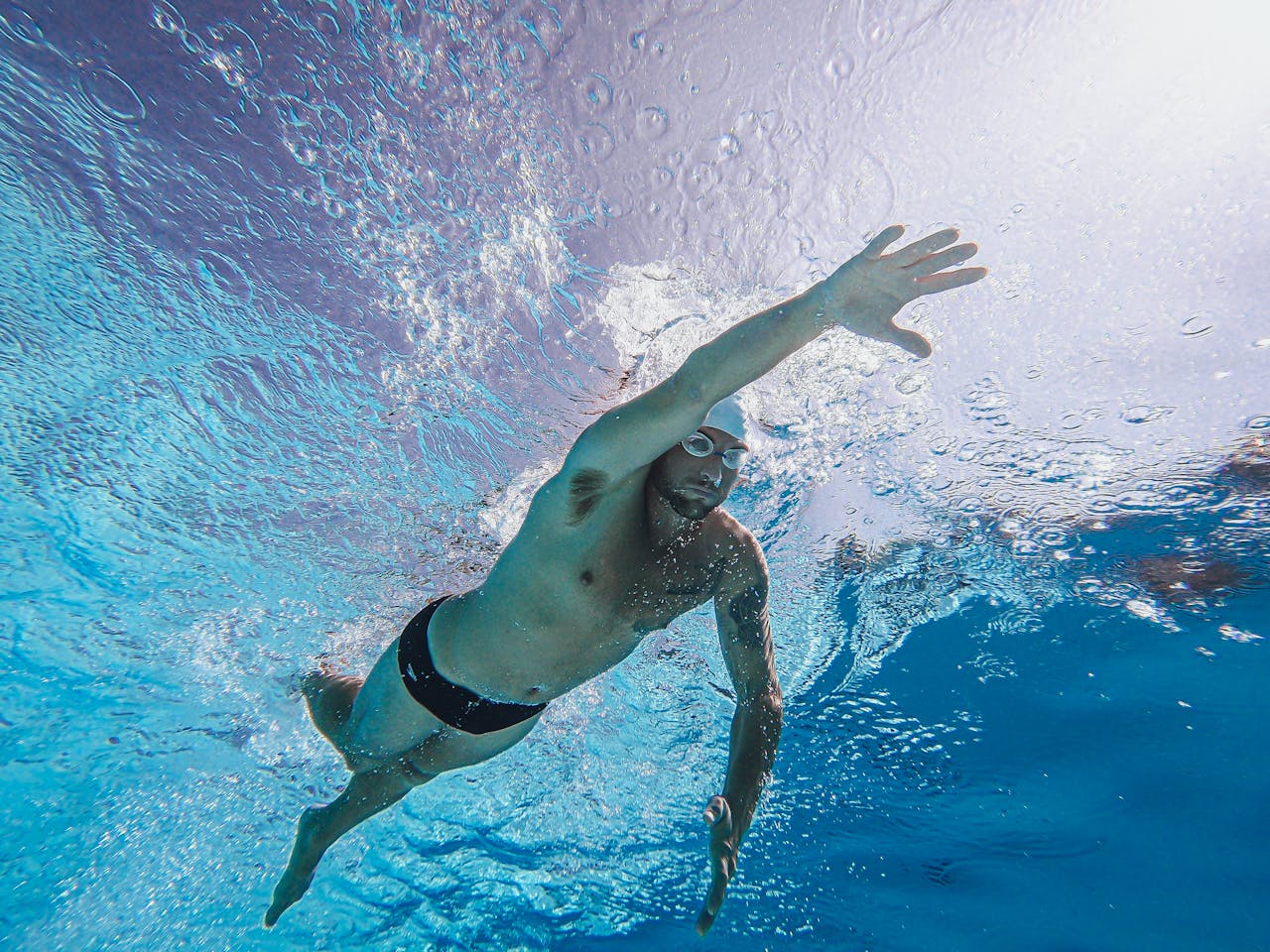
The Hardest Part: Minutes Two to Three
Past two minutes, you enter different territory. The contractions get stronger and faster. Sometimes they come every few seconds. Your body is screaming at you to breathe, even though you still have oxygen reserves.
This is the mental battle. Your rational brain knows you’re okay. Your primal brain is throwing every alarm it has. The urge to breathe becomes almost overwhelming. Not because you need to, but because your CO2 tolerance is getting tested hard.
I’ve noticed my vision gets a bit wonky around 2:30. Not blurry exactly. More like my peripheral vision dims a little. Normal for longer holds—your body prioritizing blood flow to essential functions.
The weird thing about this phase? Time stretches out. Those last 30 seconds feel longer than the first entire minute. I’m convinced it’s because every second requires active mental effort to stay calm.
What Your Blood Oxygen Actually Does
People assume you run out of oxygen during a three-minute hold. Not really. Your blood oxygen saturation might drop from 98% to somewhere around 85-90%. That’s lower than normal, but not dangerous for a trained person.
What gets uncomfortable is the CO2. Your blood pH changes as carbon dioxide accumulates. This triggers that intense urge to breathe. The burning in your chest. The contractions. All CO2-related, not oxygen.
I tested this with a pulse oximeter once during dry training. At my three-minute mark, my oxygen sat at 88%. By the time I hit that point, I felt like I was dying. But my body still had plenty of oxygen left. The discomfort came entirely from CO2 and the mental challenge.
This is why CO2 tolerance training works so well. You’re not expanding your lung capacity. You’re teaching your body to function comfortably at higher CO2 levels.

The Recovery: Why How You Breathe After Matters
After a three-minute hold, you can’t just gasp and pant. Well, you can, but it’s not smart. A safety instructor watched me nearly hyperventilate after my first successful attempt and set me straight.
Proper recovery breathing: Three strong exhales to dump CO2. Then steady, controlled breathing to restore oxygen levels. No gasping. No panic breathing. Just calm, deliberate breaths.
Your heart rate spikes a bit when you surface. Normal. But controlled breathing brings it back down faster than panicked gulping. I time my recovery breaths: four seconds in, six seconds out, for at least a minute after any hold over two minutes.
Tingling in fingers or lips means I pushed too hard. Headache or dizziness? Same thing. Signs to back off and take longer rest periods between attempts.
The Real Risks Nobody Talks About
Here’s the part where I sound like a safety instructor. Because this matters. Three-minute breath holds aren’t dangerous if done right. But they can be if done wrong.
Never, and I mean never, do breath-hold training alone in water. Shallow water blackout is real. It happens without warning. You feel fine one second, then you’re unconscious. A buddy system isn’t optional for this.
I stick to dry training for pushing my limits. In water, I stay conservative. My pool max is maybe 2:15, even though I can do 3:00 on the couch. The extra safety margin matters more than any achievement.
Also, skip the hyperventilation. It doesn’t help. It just lowers your CO2 without increasing oxygen much. Makes you more likely to black out because you lose your warning system.
What Three Minutes Actually Requires
Three-minute breath holds are more mental than physical. Your body can do it. Your mind needs convincing.
Start with solid CO2 tolerance training. Two months of consistent tables will build the foundation. Without that base, you’re just suffering through holds instead of progressing.
Understand the sensations. Contractions are normal. Discomfort doesn’t mean danger. Learning to read your body’s real warning signs versus just discomfort makes all the difference.
Always prioritize safety over achievement. A three-minute hold means nothing if you’re taking stupid risks to get there.
Three minutes underwater feels like an eternity. Your body goes through distinct phases. The mental game matters more than lung capacity. Proper training beats natural talent every time.
That burning sensation in your chest at 90 seconds isn’t telling you to stop. It’s just the price of admission for what comes next. Once you understand that, the path to three minutes becomes clearer.
If you’re starting out with breath-hold training, I covered the basics in my guide on holding your breath longer. And if you’re still deciding between swimming and freediving, here’s my comparison of both sports.