
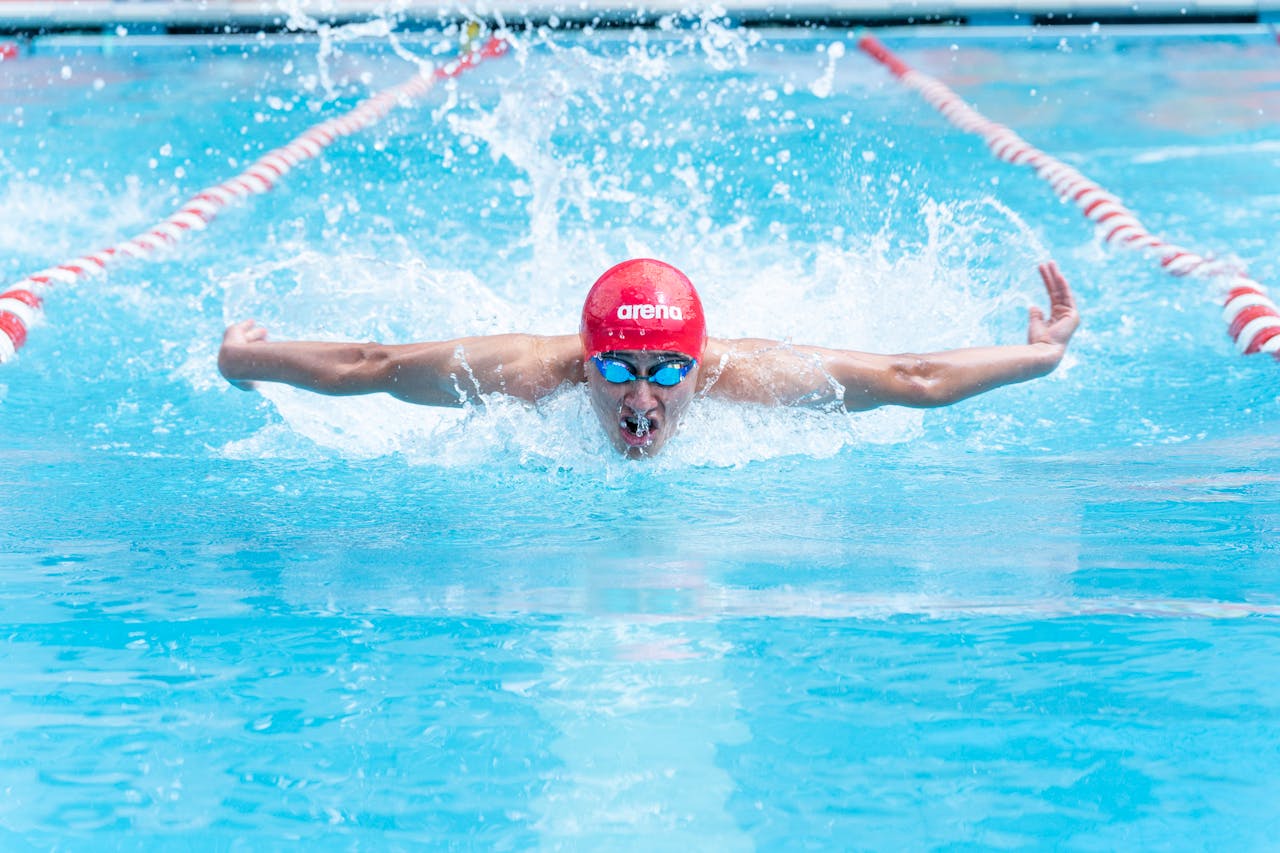
You know that advice about not exercising before bed? I ignored it for seven years. Every night around 8 PM, I’m in the pool doing laps while everyone else winds down with Netflix. Honestly, it’s one of the best choices I’ve made for my sleep and energy levels.
Most fitness advice pushes morning workouts. Wake up early, get it done, ride that energy all day. Great in theory. I tried morning swimming for a year and felt drained by afternoon. My sleep was okay but nothing special. Switched to evening laps out of schedule necessity, and things shifted noticeably.
The first few weeks felt wrong. Conventional wisdom says you’ll be too wired to sleep. Your heart rate will stay elevated. You’ll toss and turn. None of that happened. Instead, I started falling asleep faster and sleeping deeper than I had in years.

What Actually Happens to Your Body
Swimming at night triggers a specific sequence of events in your body. During the workout, your core temperature rises. Heart rate increases. You’re active and alert. This part everyone understands.
But here’s the interesting bit. After you finish and cool down, your body temperature drops below baseline. This drop signals your brain that it’s time to sleep. It’s like your body’s natural sleep timer gets set.
I noticed this pattern about a month in. I’d finish swimming around 9 PM. By 10:30, I’d be genuinely sleepy—not just tired. The kind of sleepiness where your eyelids actually feel heavy. Compare that to my morning swimming days when I’d lie in bed at 11 PM wide awake despite being exhausted.
The temperature regulation piece matters more than people realize. Your body needs to cool down to initiate sleep. Swimming accelerates this cooling process. Plus, the water itself helps regulate your temperature during the workout, so you don’t overheat like you might with running or gym work.
How It Changed My Sleep Quality
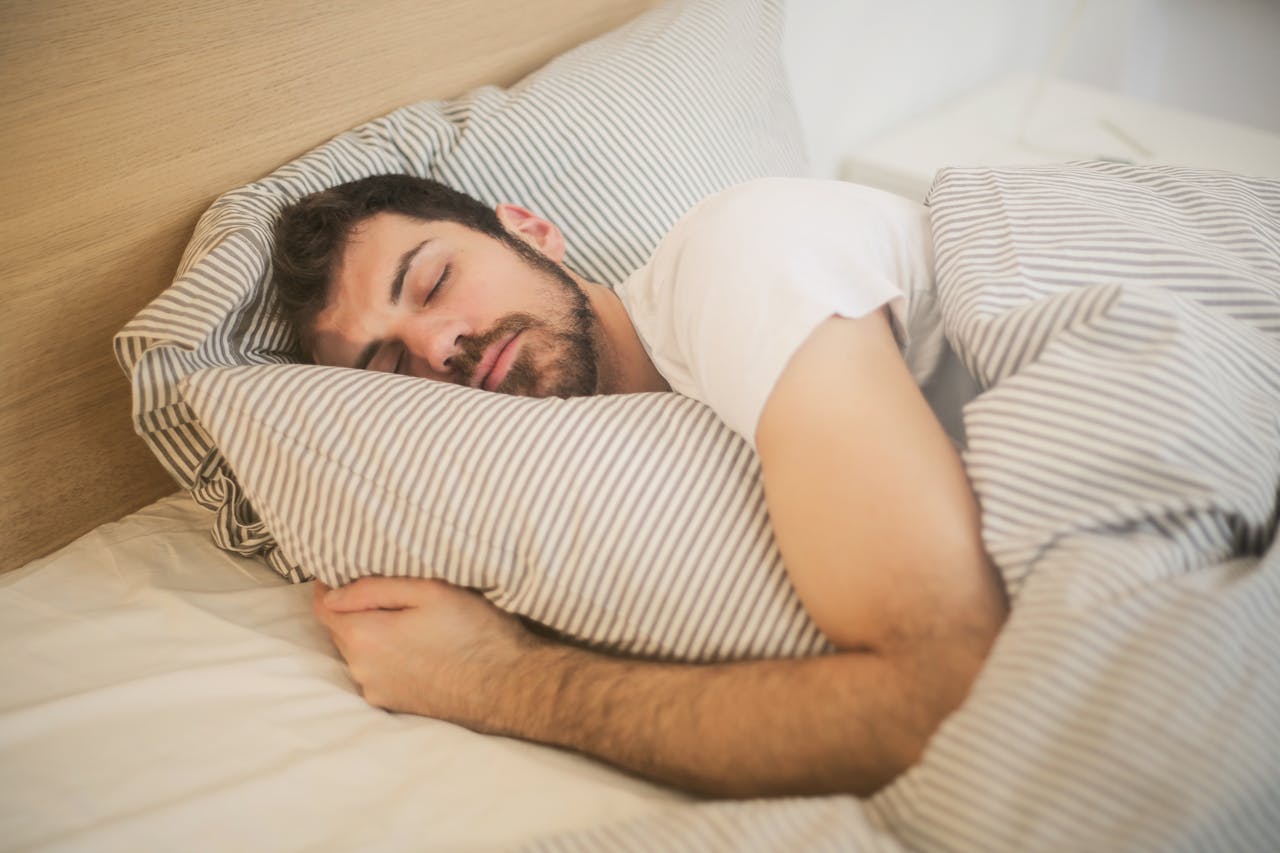
Deep sleep improved noticeably. I started tracking this out of curiosity. Before evening swimming, I’d average around 1 hour 10-20 minutes of deep sleep per night. After switching to night workouts, that jumped to somewhere around 1 hour 40-50 minutes. Not exact science, but consistent enough that I noticed.
Deep sleep is where your body does the real recovery work. Muscle repair. Hormone regulation. Memory consolidation. Getting more of it means waking up actually refreshed instead of just “well, I slept.”
The mental shift helped too. Swimming clears my head of work stress and daily noise. By the time I’m done, my mind isn’t racing through tomorrow’s to-do list. It’s just quiet. That mental calm makes falling asleep easier than meditation ever did for me.
I also stopped waking up at 3 AM staring at the ceiling. Used to happen twice a week minimum. Now maybe twice a month. Something about the physical exhaustion plus the temperature drop keeps me solidly asleep through the night.
The Energy Paradox
Seems backward but works: I’m more energized during the day despite working out at night. Mornings I’m actually awake and functional, not dragging myself through coffee until noon.
This comes down to sleep quality. Better sleep means better energy. Sounds obvious, but I was so focused on “morning workouts give you energy” that I missed how terrible sleep was killing my daytime energy anyway.
Afternoon crashes disappeared almost completely. Used to hit a wall around 2 PM every day. Now my energy stays relatively stable from morning through early evening. The only dip I get is right before my swim, which makes sense because my body knows the workout is coming.
Morning alertness improved the most. Used to need 30 minutes and two cups of coffee to feel human. Now I’m awake within 10 minutes of getting up. Coffee is optional, not mandatory. That alone justifies the evening swimming schedule.
Timing Matters More Than You Think
Not all evening workouts hit the same. I experimented with different times to find my sweet spot. Too early, like 6 PM, didn’t give me that same sleep benefit. Too late, like 10 PM, actually did make falling asleep harder.
8 to 9 PM works for me. Gives me 90 minutes to two hours between finishing my workout and going to bed. That window lets my body temperature normalize and my heart rate settle. I’m physically tired but not jacked up on adrenaline.
Workout intensity matters too. On nights when I push really hard—intervals or sprints—I need closer to two hours before bed. Easy steady laps? I can sleep fine after just an hour.
Meal timing connects to this too. I eat dinner around 6:30, swim at 8, then have a light snack after if I’m hungry. Swimming on a full stomach feels awful. Swimming fasted makes me too hungry to sleep. The 90-minute gap between eating and swimming works well.
The Pool vs. The Gym
I tried evening gym workouts before switching to swimming. Similar timing, similar intensity. The results weren’t the same. Gym work left me wired and restless. Swimming leaves me pleasantly tired.
The water makes the difference. Something about being in water has a calming effect that land-based exercise doesn’t match. Maybe it’s the sensory experience. Maybe it’s the regulated temperature. Whatever it is, swimming specifically works better for evening workouts aimed at improving sleep.
Buoyancy probably helps too. Your joints and muscles aren’t getting the pounding they take from running or lifting. You work hard but finish feeling used, not beaten up. That distinction matters when you’re trying to sleep.
The rhythmic breathing in swimming might play a role as well. It’s almost meditative. Breathe in, breathe out, in sync with your strokes. By the end of 45 minutes, my breathing is naturally calm and controlled, which carries over to bedtime. If your breathing feels off during swimming, I wrote about fixing that.
What About Recovery?
One concern people raise about evening workouts is recovery. If you’re sleeping right after training, does your body have time to refuel and repair properly?
From my experience, evening swimming hasn’t hurt my recovery at all. If anything, it improved. Better sleep means better recovery, period. My muscles don’t feel more sore than when I swam in the mornings. My performance hasn’t declined.
I’m careful about post-swim nutrition. A protein-rich snack within 30 minutes of finishing. Usually Greek yogurt or a protein shake. Nothing heavy that disrupts sleep, but enough to start the recovery process.
Stretching after swimming helps too. I spend 10 minutes doing light stretches while my muscles are still warm. Prevents stiffness the next day and helps me wind down mentally.
The sleep itself is when most recovery happens anyway. Growth hormone release. Muscle protein synthesis. These processes peak during deep sleep. By improving my sleep quality through evening swimming, I actually enhanced my recovery compared to morning workouts with mediocre sleep.
Who This Works For (And Who It Doesn’t)
Evening swimming isn’t universal. Some people genuinely can’t sleep if they exercise late. Your chronotype matters. If you’re a natural early bird who’s tired by 8 PM, night workouts probably won’t help.
I’m naturally a night person. My energy peaks in the evening. Working out when my body is already primed for activity makes sense. Morning workouts felt like forcing my body to do something it didn’t want to do.
Job schedule plays a role too. I finish work around 6 PM, so 8 PM swimming fits perfectly. If you work until 9 or 10 PM, night swimming might not be practical. The timing needs to work with your life, not against it.
Also consider your sleep goals. If you already sleep great and have tons of energy, you probably don’t need to switch anything. But if you’re struggling with sleep quality and afternoon crashes despite working out regularly, evening swimming might be worth trying.
Making the Switch
If you want to try evening swimming, don’t just jump in. Give your body time to adjust. The first week felt weird for me. Sleep timing was off. Energy levels fluctuated.
Start with easy workouts. Don’t try to match your usual intensity right away. Let your body adapt to the new timing. I kept my first two weeks to just 30-minute easy swims.
Pay attention to your personal timing. Try different windows between finishing your workout and going to bed. Track how you feel. What works for me might not work exactly the same for you.
Stick with it for at least a month before deciding if it works. Sleep patterns take time to shift. The first few nights might not show much difference. But by week three or four, the benefits should become clear if evening swimming suits your body.
Seven years of evening swimming taught me that conventional workout timing advice doesn’t work for everyone. Mornings might be great for some people. But if you’re struggling with sleep or energy despite exercising regularly, trying evening laps might be the change you need.
The hardest part was ignoring the “don’t work out before bed” advice and just trying it anyway. Turns out my body responds better to physical activity in the evening than forcing myself into morning routines that never quite felt right.
If you’re swimming in colder months, keep in mind that cold water affects your body differently—might want to adjust your expectations for outdoor pools in winter.