
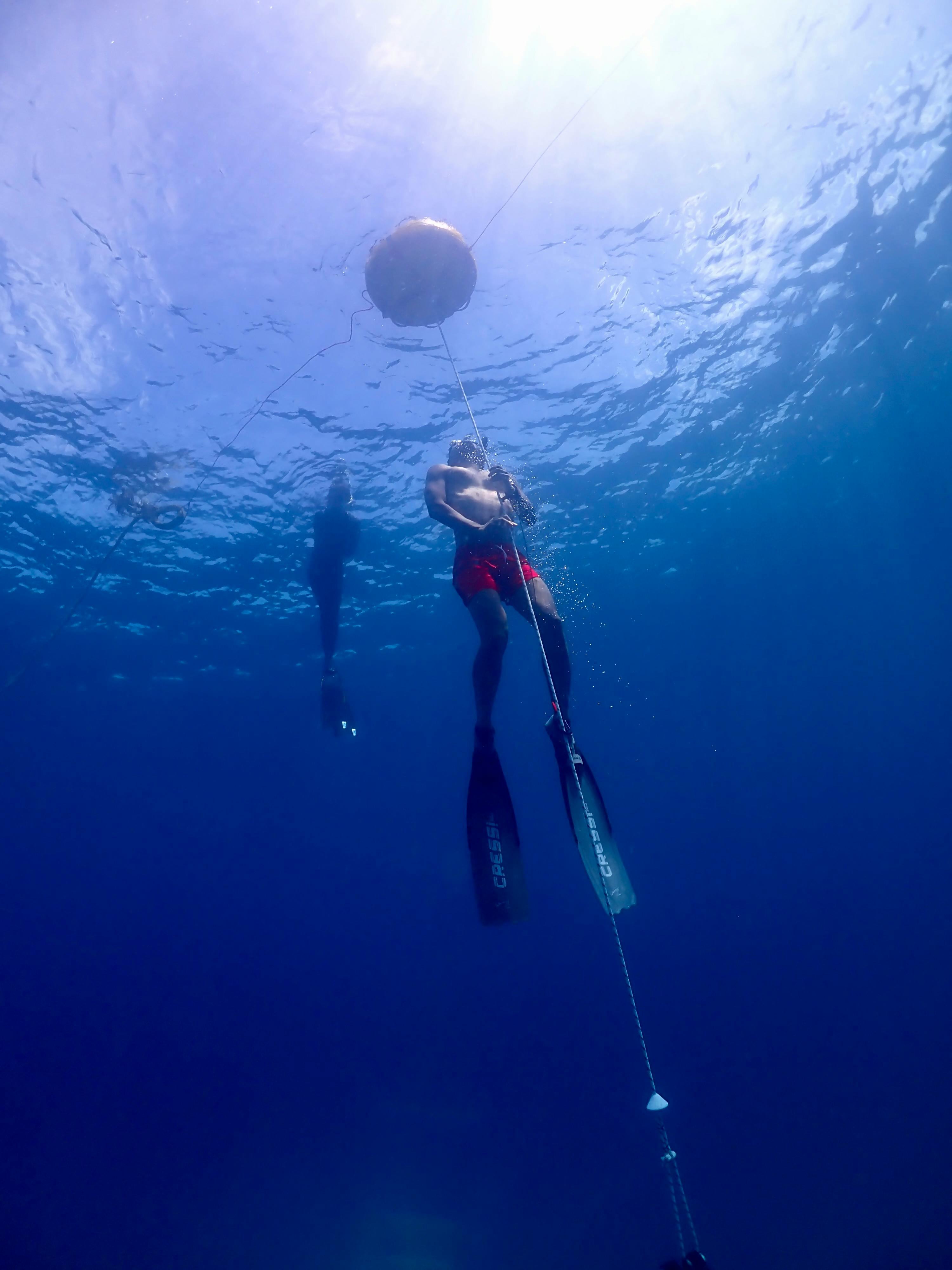
Ever watched freediving videos and thought “how do they stay down there so long?” I used to stare at my dive computer after a minute and a half. Chest burning. Mind screaming “breathe NOW.” Meanwhile, other divers glided past me like they had all the time in the world.
Holding your breath longer isn’t about lung size. It’s not about being superhuman either. Most of it comes down to technique and training your body to relax when it really doesn’t want to.
Three years ago, I could manage about 90 seconds underwater. My first PADI freediving course was humbling. Watched classmates hit two minutes while I barely pushed past my usual time. The instructor pulled me aside and said something that stuck: “You’re working against yourself instead of just letting it happen.”
That clicked. I stopped trying to “power through” and started learning actual techniques. Within 18 months, I hit four minutes. Not because I got special lungs, but because I finally understood what works.
Understanding Why Your Chest Burns (It’s Not What You Think)
The burning sensation in your chest? That’s not running out of oxygen. It’s CO2 buildup telling your brain to breathe. This matters because your body has way more oxygen left than you think.
I used to panic at the first chest contraction. Now I know that’s just my starting point. Your diaphragm contracts to push out CO2. Feels intense, but it’s actually safe. Think of it like the burn during a plank exercise. Uncomfortable but manageable.
What changed things for me: I started timing my contractions during dry training. First one hits around 1:15 for me. Second at 1:35. By contraction three, I know I’ve got at least another minute. Understanding my own pattern killed the panic response. Yours will be different, but tracking it helps.
How CO2 Tables Helped Me Break Through
CO2 tables sound technical, but they’re simple. You’re training your body to tolerate higher CO2 levels. The beauty is you can do this on your couch.
Beginner table I still use:
- Hold breath for 1:30
- Rest for 2:00
- Hold for 1:30
- Rest for 1:45
- Hold for 1:30
- Rest for 1:30
- Repeat, reducing rest time
The progress happens in those shrinking rest periods. Your body learns to recover faster. After two weeks of these tables three times a week, my baseline hold jumped from 1:30 to 2:15. Not glamorous training, but it works.
Important: never do breath-hold training in water alone. I do tables while watching TV or during work breaks. Safe and effective. Zero excuses not to do it.
The Pre-Dive Routine That Actually Matters
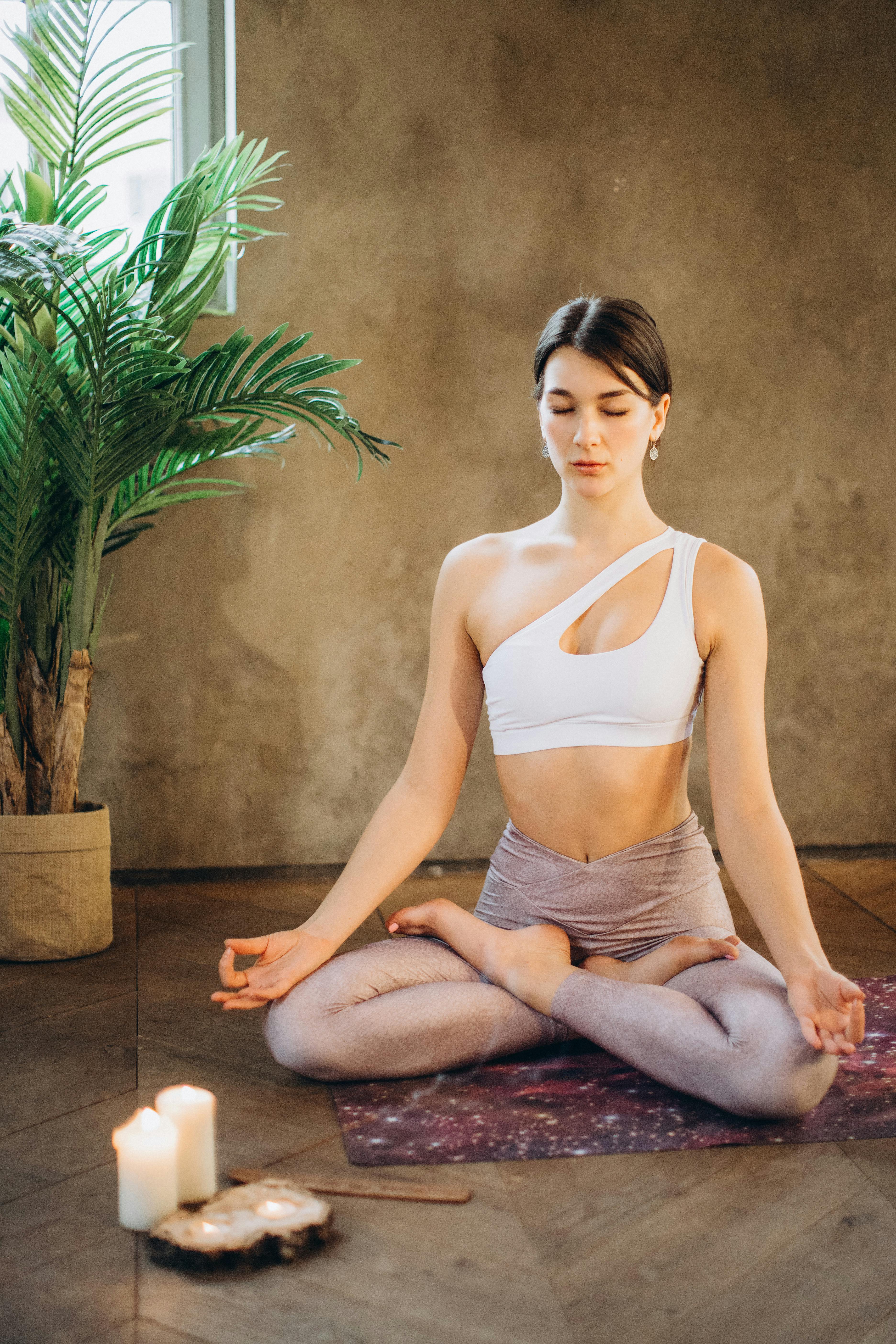
My holds improved another 30 seconds when I fixed my preparation. Before any hold, I spend two minutes doing this:
Deep belly breathing first. Not chest breathing. Your belly should push out like a balloon. This maximizes oxygen intake and dumps CO2. Five cycles of: four seconds in, six seconds out.
Then the weird part that works. One massive inhale to full capacity. Hold for 10 seconds. Exhale completely. Wait 20 seconds breathing normally. Then take the final breath to about 80% capacity.
That 80% rule surprised me. I used to pack my lungs to bursting. Turns out that creates tension. Tension burns oxygen. Going to 80% lets my body stay relaxed, which matters more than that extra bit of air. Counterintuitive but true.
Mental Tricks That Bought Me Extra Time
Your mind quits way before your body does. I proved this to myself by closing my eyes during holds. Suddenly hitting 2:30 when I’d been stuck at 2:00 for weeks.
Visualization helps. I count seconds and picture swimming along a reef. The counting gives my mind a job. The visualization keeps me calm. Some people use mantras. Whatever works, as long as it’s not “please don’t die.” (Tried that. Didn’t help.)
Another thing: accepting discomfort instead of fighting it. That chest burning feeling at 1:30? I used to resist it. Now I acknowledge it and move on. “Yep, there’s the CO2. Chest is contracting. Still okay.” This shift added a solid minute to my holds. Maybe more.
Why Recovery Breathing Matters
How you breathe after a hold matters as much as the hold itself. I used to gasp and pant. Bad move. That actually delays recovery.
Better way: After surfacing, three strong exhales followed by calm breathing. The exhales dump remaining CO2. The calm breathing restores oxygen without spiking your heart rate.
Also learned to wait five minutes between serious holds. Rushing attempts means worse performance and higher blackout risk. During training sessions, I do eight holds max. Quality beats quantity every time.
The Main Things
Start with CO2 tables on dry land. Safe, effective, and you’ll see progress in two weeks. That’s where I’d start if I were doing this again.
Never train breath-holds alone in water. The blackout risk isn’t worth it. Get a buddy or stick to dry training. I know I keep saying this, but people still ignore it.
Focus on relaxation over lung packing. A calm body at 80% capacity beats a tense body at 100%.
Track your progress in a simple notebook. Knowing I went from 1:30 to 2:00 kept me motivated through plateaus that lasted longer than I expected.
Going from 90 seconds to four minutes wasn’t magic. It was CO2 tables three times a week. Learning to work with my body’s signals instead of ignoring them. Accepting that discomfort doesn’t mean danger.
The biggest lesson: your body already has the capacity. You just need to train your mind to trust it and your physiology to tolerate the signals. Start with dry tables, focus on relaxation, give it time.
Took me about 18 months to really get comfortable past three minutes. Could’ve been faster if I’d known all this at the start. Now you do.
If you’re still deciding between swimming and freediving, I wrote a comparison of the two sports—different skills, different challenges, both worth learning.