
You know that moment when you first step into cold water? Your breath catches. Heart rate spikes. Every instinct screams “get out NOW.” I’ve been swimming year-round for seven years, and that initial shock still hits me every single time.
Cold water swimming isn’t like regular swimming. Your body goes through changes that don’t happen in heated pools. Some feel intense. Some are actually beneficial. All of them are worth understanding before you dive in.
I learned this during my first winter swim back in 2020. Thought I could just power through like a regular workout. Ten seconds in, I was gasping like I’d just sprinted a mile. My chest tightened. Breathing went haywire. That was my introduction to cold shock response, and nobody had warned me.
The First 90 Seconds: Cold Shock Response
Cold shock hits the moment water touches your skin. Your body doesn’t care if you’re a trained athlete or a beginner. It reacts the same way: immediate gasp reflex, rapid breathing, spiking heart rate.
This isn’t about being tough or weak. Pure physiology. Cold water receptors in your skin trigger an automatic reaction. Breathing can jump from 12 breaths per minute to 60 in seconds. Heart rate can double.
The dangerous part: you can’t think your way past it. I’ve watched experienced swimmers lose their breathing rhythm because cold shock overrides conscious control. Knowing it’s coming and having a plan is the only real defense.
I handle it now by entering slowly. Chest-deep first, then waiting 30 seconds before going under. Let my breathing stabilize. Sounds simple, but it keeps me from that panicked gasping that makes everything worse.

Minutes 2-10: Your Body Fights Back
Once cold shock passes, your body shifts into survival mode. Blood vessels in your arms and legs constrict. Blood redirects to your core to protect vital organs. This is your body trying to maintain core temperature.
You’ll feel this as your fingers and toes going numb faster than expected. Not painful usually, just this weird loss of sensation and dexterity. I’ve struggled with pool lane ropes after 15 minutes in 60°F (about 16°C) water because my fingers wouldn’t cooperate. Embarrassing but normal.
Your heart works harder during this phase. Not just from swimming effort. The vasoconstriction increases blood pressure, so your heart pumps against more resistance. This is why people with heart conditions need medical clearance before cold water swimming.
I learned to watch for my personal markers. When my hands start feeling clumsy, I’ve got maybe 10 more minutes before I should get out. Everyone’s threshold is different, but you learn your own signals over time.
The Weird Part: You Might Actually Feel Warmer

Around 10 minutes in cold water, something strange happens. You stop feeling as cold. Some people even feel pleasantly warm. This isn’t a good thing.
Your brain starts prioritizing survival over accurate temperature sensation. Skin temperature drops enough that nerve endings become less sensitive. You’re not warming up. You’re just losing the ability to judge how cold you really are.
I made the mistake of staying in too long because I “felt fine.” Got out shivering uncontrollably with blue lips. My body temperature had dropped more than I realized. This false warmth is actually a warning sign to get out soon, not a green light to keep going.
Now I set a timer before I swim. Water below 60°F? I’m out in 20 minutes max, regardless of how I feel. Trust the clock, not your sensations.
What Happens to Your Muscles
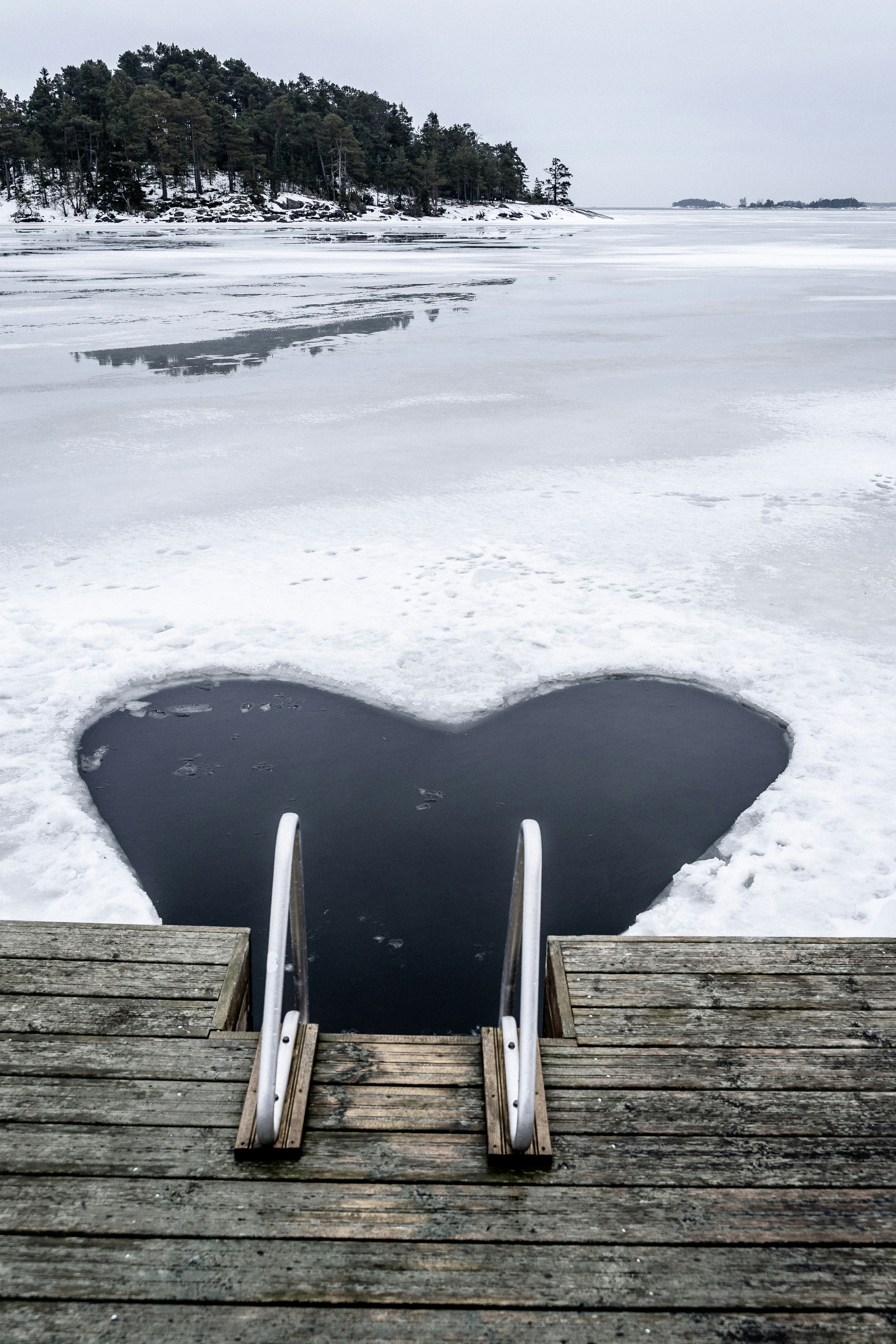
Cold water makes muscles work differently. They contract slower. Coordination gets wonky. That smooth freestyle stroke you perfected in the pool? It feels clunky in cold water. (If your stroke feels clunky in warm water too, I wrote about common freestyle problems—probably a different issue.)
Muscle efficiency drops as temperature decreases. You burn more energy to produce the same movement. This is why cold water swims feel exhausting even when you’re not going hard. Your muscles are literally working inefficiently.
I noticed my breathing technique falls apart first. The precise timing between stroke and breath gets sloppy. Then my catch phase loses power. By 15 minutes, I’m swimming noticeably slower than my warm water pace.
The upside? This inefficiency means you’re burning serious calories. Cold water swimming is a workout even at easy pace. Just don’t expect performance times to match your usual benchmarks.
The After-Drop That Nobody Mentions
Getting out of cold water doesn’t end the experience. For the next 30-60 minutes, your core temperature can actually continue dropping. This is called after-drop, and it catches people off guard.
Why it happens: all that cold blood in your limbs starts flowing back to your core when you get out. Your body temperature drops further even though you’re in warm air. This is when hypothermia risk is highest.
My first few winter swims, I thought I was fine once I got to my towel. Then the shivers would start five minutes later and last for half an hour. Miserable. Now I have a specific after-swim protocol.
I get into warm clothes immediately. Dry top first, then layers. Hat goes on right away because you lose heat fast through your head. Then I walk or do light movement to generate internal heat. Sitting still makes the after-drop worse.
The Cardiovascular Training Effect
Cold water swimming does something interesting to your circulatory system. Regular exposure seems to improve cold tolerance and might enhance immune response. Research isn’t conclusive, but the anecdotal evidence is strong.
Your body adapts over time. After three months of regular cold water swimming, my cold shock response became less intense. Still gasp, but it’s manageable. Fingers stay functional longer. Recovery time decreased.
Some studies suggest cold water exposure increases brown fat, which helps regulate body temperature. Can’t confirm that personally, but I definitely handle cold air better now than before I started winter swimming. Could be adaptation, could be placebo. Either way, I’ll take it.
The cardiovascular stress might provide training benefits similar to interval training. Heart rate variability improves. Blood vessel flexibility increases. But these benefits only come with consistent, controlled exposure—not occasional shock-your-system swims.
Real Safety Concerns
Cold water swimming has legitimate risks. Hypothermia is the obvious one, but there are others. Cardiac arrest can happen if someone with underlying heart issues jumps into very cold water. Cold shock can trigger dangerous heart rhythm problems.
Never swim alone in cold water. I don’t care how experienced you are. A buddy on shore who can call for help is non-negotiable. I’ve seen strong swimmers get disoriented in cold water and need assistance. Pride doesn’t matter when you’re hypothermic.
Alcohol and cold water don’t mix. Alcohol makes you feel warm but actually speeds up heat loss. It also impairs judgment about when to get out. Save the post-swim drink for after you’ve fully warmed up.
If you have any heart conditions, diabetes, or circulation problems, talk to your doctor first. Cold water puts significant stress on your cardiovascular system. Better to get clearance than discover a problem mid-swim.
Before You Get In
Cold water swimming requires respect and preparation. It’s not just “swimming when it’s cold outside.”
Always swim with a buddy or have someone watching from shore. Set a time limit before you get in and stick to it. Water under 60°F? Start with 10 minutes max and build slowly over weeks.
Have warm clothes ready before you swim. Don’t count on feeling cold as your signal to exit—you’ll lose reliable temperature sensation before you realize it.
Skip the cold swim if you’re sick, hungover, or already cold. Your body’s temperature regulation is already compromised. Not worth it.
Cold water swimming isn’t about being hardcore. It’s about understanding what your body goes through and working with those responses instead of ignoring them.
The cold shock response is automatic and intense, but manageable with the right approach. Your body adapts over time, but never enough to make safety precautions optional. And that weird warm feeling after 10 minutes? That’s your signal to start wrapping up, not permission to keep going.
Seven years of year-round swimming taught me this: the cold never gets easy, but it gets predictable. And that predictability is what keeps it safe.
If your ears give you trouble after cold swims, I covered that separately—cold water makes ear problems worse and needs extra attention.